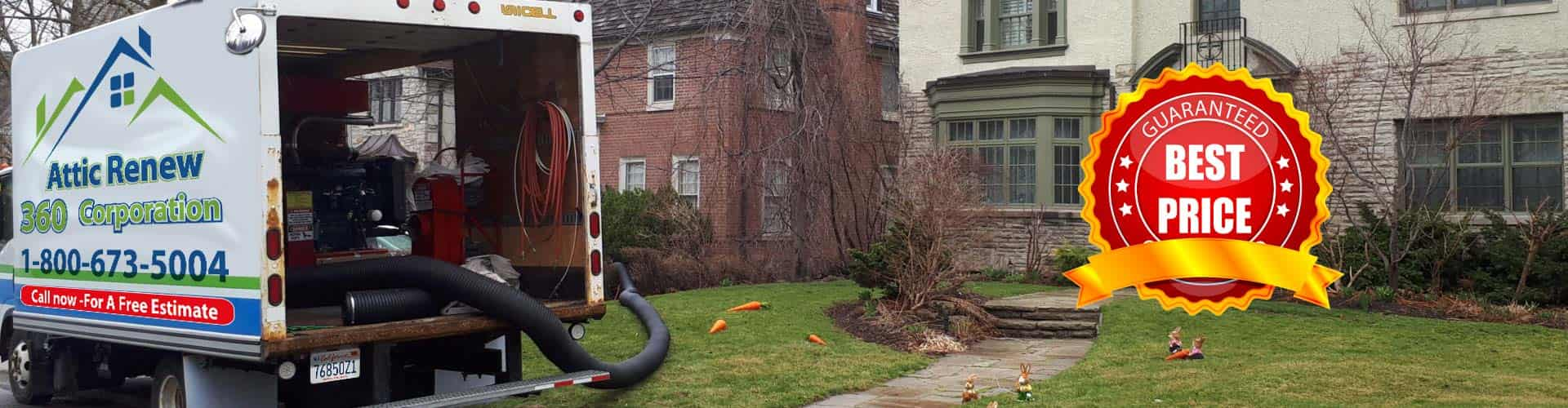
Air duct cleaning plays a vital role in maintaining healthy indoor air quality, improving HVAC efficiency, and creating a cleaner living or working environment. While the basic purpose of air duct cleaning remains the same, the process can differ significantly between residential and commercial properties.
Understanding these differences can help homeowners and business owners choose the right cleaning services and ensure their HVAC systems operate at peak performance.
What is Air Duct Cleaning?
Air duct cleaning involves removing dust, dirt, allergens, mold spores, and other contaminants from the ductwork of a heating, ventilation, and air conditioning (HVAC) system. Clean ducts help improve airflow, reduce indoor pollutants, and enhance the overall efficiency of the HVAC system.
Although the goal is similar for both homes and businesses, the scope and complexity of the work vary considerably.
Residential Air Duct Cleaning
Residential air duct cleaning focuses on HVAC systems found in houses, apartments, condominiums, and other living spaces.
Key Characteristics of Residential Air Duct Cleaning
Smaller HVAC Systems
Most homes have a single HVAC system with a relatively simple duct network. This makes the cleaning process more straightforward and less time-consuming.
Focus on Indoor Air Quality
Homeowners often seek air duct cleaning to reduce allergens, dust, pet dander, and other pollutants that can affect their family’s health and comfort.
Faster Service Times
Because residential duct systems are generally smaller, cleaning can often be completed within a few hours, depending on the size of the home.
Common Reasons for Cleaning
- Excessive dust buildup
- Pet hair and dander
- Allergy concerns
- Recent renovations or construction
- Mold or mildew concerns
- Improved HVAC performance
Commercial Air Duct Cleaning
Commercial air duct cleaning is designed for larger buildings such as offices, retail stores, restaurants, warehouses, schools, healthcare facilities, and industrial properties.
Also Read: How Often Should You Schedule Air Duct Cleaning for Homes and Offices?
Key Characteristics of Commercial Air Duct Cleaning
Larger and More Complex Systems
Commercial buildings typically have extensive HVAC networks with multiple units, vents, and duct systems spread across large areas.
These systems require specialized equipment and experienced technicians to ensure thorough cleaning.
Higher Occupancy Levels
Commercial spaces often accommodate hundreds or even thousands of occupants. As a result, maintaining clean air ducts is essential for employee productivity, customer comfort, and regulatory compliance.
More Frequent Cleaning Requirements
Because commercial properties experience higher foot traffic and greater HVAC usage, contaminants can accumulate more quickly, requiring more frequent maintenance.
Specialized Cleaning Procedures
Commercial duct cleaning may involve:
- Large-scale vacuum systems
- Advanced inspection tools
- Negative air pressure equipment
- Compliance with industry regulations
- After-hours or weekend scheduling to avoid business disruptions
Major Differences Between Residential and Commercial Air Duct Cleaning
- System Size and Complexity
Residential HVAC systems are typically much smaller and simpler than commercial systems. Commercial properties often contain multiple HVAC units connected through extensive ductwork networks, making cleaning more complex.
- Cleaning Time
Residential projects may take only a few hours to complete. Commercial projects can require several days depending on the building size and system complexity.
- Equipment Requirements
Commercial cleaning often requires industrial-grade equipment capable of handling large-scale duct systems, while residential cleaning generally uses smaller, portable equipment.
- Scheduling Considerations
Homeowners can usually schedule service during regular business hours. Commercial properties often require cleaning during evenings, weekends, or off-hours to minimize disruption to employees and customers.
- Regulatory Compliance
Certain commercial facilities, especially healthcare centers, manufacturing plants, and food service establishments, must meet specific air quality and maintenance standards. Residential properties typically face fewer regulatory requirements.
- Cost Differences
Due to the larger scope of work, commercial air duct cleaning is generally more expensive than residential cleaning. Costs depend on factors such as building size, system complexity, accessibility, and cleaning frequency.
Benefits Shared by Both Residential and Commercial Air Duct Cleaning
Despite their differences, both services provide similar advantages:
Improved Indoor Air Quality
Removing dust, allergens, and contaminants helps create a healthier indoor environment.
Enhanced HVAC Efficiency
Clean ducts allow HVAC systems to operate more efficiently, reducing strain on equipment.
Lower Energy Costs
Improved airflow can help reduce energy consumption and utility bills.
Extended HVAC Lifespan
Regular maintenance helps prevent unnecessary wear and tear on HVAC components.
Reduced Dust Accumulation
Cleaner ducts mean less dust circulating throughout the property.
How Often Should Air Ducts Be Cleaned?
The frequency of air duct cleaning depends on the property’s usage and environment.
Residential Properties
Most homes benefit from professional duct cleaning every 3–5 years, though homes with pets, allergies, or recent renovations may require more frequent service.
Commercial Properties
Commercial buildings often require inspections and cleaning every 1–3 years, depending on occupancy levels, industry requirements, and HVAC usage.
Choosing the Right Air Duct Cleaning Service
Whether you own a home or manage a commercial facility, it is important to hire experienced professionals who use proper equipment and proven cleaning methods.
Look for a provider that offers:
- Comprehensive inspections
- Advanced cleaning equipment
- Transparent pricing
- Certified technicians
- Customized maintenance plans
A professional service provider can help ensure your HVAC system remains clean, efficient, and reliable.
Conclusion
While residential and commercial air duct cleaning share the common goal of improving air quality and HVAC performance, the processes differ significantly in scale, complexity, and maintenance requirements. Residential cleaning focuses on family comfort and indoor air quality, while commercial cleaning addresses larger systems, higher occupancy levels, and stricter operational demands.
Understanding these differences can help property owners make informed decisions and maintain healthier, more efficient indoor environments for years to come.